
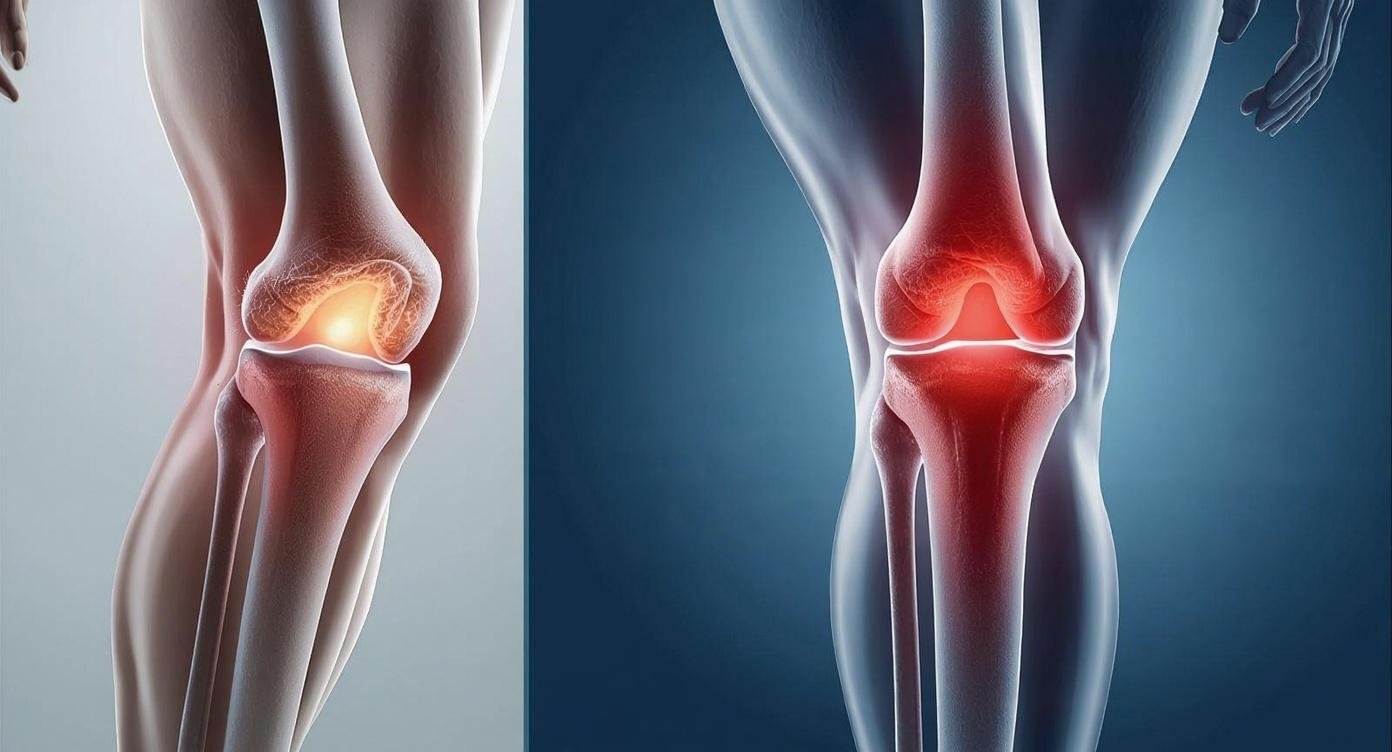
knees pain is one of the most common musculoskeletal complaints affecting people of all ages, from athletes and active individuals to older adults suffering from joint degeneration. Advances in orthopedic medicine have transformed how knee pain is diagnosed and treated, offering effective, minimally invasive solutions that reduce pain, restore mobility, and delay or even eliminate the need for major surgery.
This article provides a comprehensive overview of the latest knee pain treatments, ranging from modern injection therapies to advanced arthroscopic procedures, with a clear focus on results-driven, evidence-based care.
Understanding knees pain and Its Root Causes
Effective treatment begins with identifying the underlying cause of knee pain. Common conditions include:
-
Osteoarthritis of the knee
-
Meniscus tears
-
Ligament injuries (ACL, MCL, PCL)
-
Patellar tendonitis
-
Cartilage degeneration
-
Inflammatory joint diseases
Modern orthopedic care focuses on targeted treatment, addressing the cause rather than masking symptoms.
Non-Surgical Treatments: The First Line of Defense
1. Advanced Injection Therapies for Knee Pain
Injection-based treatments have evolved significantly and are now among the most effective non-surgical options for knee pain.
Hyaluronic Acid Injections (Viscosupplementation)
Hyaluronic acid is a natural component of joint fluid. These injections:
-
Improve joint lubrication
-
Reduce friction between cartilage surfaces
-
Enhance shock absorption
-
Provide long-lasting pain relief, especially in knee osteoarthritis
They are particularly effective for patients in early to moderate stages of arthritis.
Platelet-Rich Plasma (PRP) Therapy
PRP therapy uses the patient’s own blood to stimulate healing. Benefits include:
-
Promoting cartilage repair
-
Reducing inflammation
-
Improving joint function naturally
PRP is widely used for degenerative knee conditions and sports-related injuries.
Corticosteroid Injections
These injections offer:
-
Rapid inflammation control
-
Short-term pain relief for flare-ups
They are typically used when pain is severe and limiting daily activity, though not recommended as a long-term solution.
2. Physical Therapy and Regenerative Rehabilitation
Modern physical therapy goes beyond traditional exercises. Personalized programs now include:
-
Muscle strengthening around the knee joint
-
Neuromuscular training for stability
-
Gait correction
-
Flexibility and mobility restoration
When combined with injection therapies, rehabilitation significantly enhances outcomes and prevents recurrence.
Minimally Invasive Procedures for Persistent knees pain
3. Arthroscopic Knee Surgery: Precision with Minimal Trauma
Arthroscopy is one of the most important advances in knee treatment. This minimally invasive surgical technique uses small incisions and a high-definition camera to diagnose and treat knee problems with exceptional accuracy.
Conditions Treated with Arthroscopy
-
Meniscus tears
-
Loose cartilage fragments
-
Ligament damage
-
Synovial inflammation
-
Cartilage smoothing and repair
Key Advantages of Arthroscopy
-
Smaller incisions
-
Reduced postoperative pain
-
Faster recovery
-
Lower risk of complications
-
Short hospital stay or same-day discharge
Arthroscopy is often recommended when conservative treatments fail but before considering joint replacement.
Cartilage Restoration and Preservation Techniques
4. Modern Cartilage Repair Solutions
Preserving the natural knee joint is a major goal in contemporary orthopedics. Advanced options include:
-
Microfracture techniques
-
Cartilage grafting
-
Stem cell-supported regeneration
These treatments are ideal for younger patients or early cartilage damage, delaying the progression of arthritis.
?When Is Knee Replacement the Right Choice
5. Partial and Total Knee Replacement
For patients with advanced osteoarthritis and severe pain unresponsive to other treatments, knee replacement remains a highly successful solution.
Latest Advancements in Knee Replacement
-
Customized implants
-
Minimally invasive surgical approaches
-
Faster rehabilitation protocols
-
Improved implant durability
Partial knee replacement is now an option for patients with damage limited to one compartment, preserving more natural joint movement.
Post-Treatment Recovery and Long-Term Knee Health
Successful treatment does not end with the procedure. Long-term outcomes depend on:
-
Structured rehabilitation programs
-
Weight management
-
Strength maintenance
-
Activity modification
Patients who follow personalized recovery plans experience better mobility, reduced pain, and longer-lasting results.
Choosing the Right Knee Pain Treatment
The most effective knee pain treatment depends on several factors:
-
Age and activity level
-
Severity of joint damage
-
Underlying diagnosis
-
Response to previous treatments
A modern orthopedic approach prioritizes stepwise care, starting with conservative treatments and progressing only when necessary.
The Future of Knee Pain Treatment
Innovations in regenerative medicine, biologic injections, and precision surgery continue to redefine knee care. The focus has shifted toward:
-
Joint preservation
-
Faster recovery
-
Natural healing stimulation
-
Personalized treatment strategies
These advancements allow patients to return to normal life with less pain, better function, and improved quality of life.
Ultimately, the latest knee pain treatments offer a wide range of solutions, from advanced injection therapies to highly precise arthroscopic surgery. With accurate diagnosis and a personalized treatment plan, most patients can achieve significant pain relief without the need for major surgery. Modern orthopedic medicine is no longer just about pain management; it now aims to restore mobility and maintain long-term joint health.
Frequently Asked Questions About the Latest Treatments for Knees Pain
?What are the most common causes of knee pain
The most common causes of knee pain include osteoarthritis, meniscus tears, ligament injuries, cartilage degeneration, tendon inflammation, and sports-related injuries. Accurate diagnosis is essential to determine the most effective treatment option.
?Are knee injections effective for long-term pain relief
Yes, certain injections such as hyaluronic acid and PRP (Platelet-Rich Plasma) can provide long-term pain relief, especially in early to moderate knee arthritis. Results vary depending on the condition, activity level, and overall joint health.
?How long do hyaluronic acid injections last
Hyaluronic acid injections typically provide relief for 6 to 12 months, improving joint lubrication and reducing friction. The duration depends on the severity of arthritis and patient lifestyle.
?Is PRP therapy safe for knee pain
PRP therapy is considered safe and minimally invasive since it uses the patient’s own blood. It has a low risk of side effects and is effective in reducing inflammation and promoting tissue healing.
?When should corticosteroid injections be used
Corticosteroid injections are usually recommended for acute flare-ups of knee pain and inflammation. They provide fast relief but are not advised for frequent or long-term use due to potential cartilage weakening.
?Can knee pain be treated without surgery
Yes, many cases of knee pain can be managed successfully with non-surgical treatments, including injections, physical therapy, weight management, and activity modification.
?What is knee arthroscopy and when is it needed
Knee arthroscopy is a minimally invasive surgical procedure used to diagnose and treat knee problems such as meniscus tears, cartilage damage, and ligament injuries. It is recommended when conservative treatments fail to relieve symptoms.
Ready to get rid of knee pain and move freely again?
Our orthopedic specialists are here to help you choose the most advanced and effective treatment—whether injections, rehabilitation, or minimally invasive procedures—based on your condition and lifestyle.
Book your consultation today and take the first step toward pain-free movement.
Call us now: +20 101 074 3797
Chat with us on WhatsApp:01067299266